
October 15, 2026
How to Automate Packaging
Automation is rapidly changing the packaging industry, with advanced machinery and robotics reducing the need for human input. This can help businesses streamline their packaging lines, improving consistency and reducing errors.
Whether you’re starting from scratch or building on the automation you already have, the first step is to assess your existing processes and identify the bottlenecks you want to solve. From there, define your objectives, whether that’s improving productivity or accuracy. Choosing the right packaging equipment, planning its installation and training your staff will all be essential steps. By understanding the automation process, you can unlock a range of benefits, including enhanced safety, precision and cost-effectiveness.
How Automated Packaging Works
Automated packaging is the use of advanced technology to automatically handle, wrap, box and label products with little to no human assistance. Packaging equipment, software and robotics are all incorporated to enhance speed, efficiency and quality. Automated packaging can streamline the entire packaging process, from the initial product handling to boxing, sealing and labelling. It typically works in the following three stages:
- Primary packaging
Primary packaging is the first stage, in which the product comes into contact with the initial packaging, such as boxes, bags, bottles or wrapping. Automated packaging systems are responsible for handling tasks such as filling and sealing, with speed and precision. - Secondary packaging
The next stage is where primary packaged products are grouped together into cases or cartons to prepare for transportation and distribution to end-users or retailers. Packaging equipment such as automatic case erectors or cartoners is incorporated to help manage this stage efficiently, while guaranteeing consistent presentation. - Transit packaging
The final stage is where grouped products that have been packaged within cases or cartons are prepared for safe storage and shipment. This typically involves automatic pallet wrappers, stretch wrapping and labelling to ensure loads are secure before transportation.
Signs That Your Business Needs Automation
It’s important to recognise the warning signs that your business requires automation before it begins to cost you valuable time and money. These signs include the following:
- Rising demand
One of the biggest reasons why businesses choose to automate is to better match the rising demand. Your team may be working hard and making minimal mistakes, but you’re still not meeting your new products-per-minute (PPM) requirements. Automating your packaging line helps you respond more quickly to fresh demands, without having to significantly scale up your existing workforce. - Overworked staff
When demand increases, this can put greater strain on employees, which can lead to increased accidents, burnout and stress. This is especially notable when accompanied by a greater amount of employee resignations. - Too much time spent on manual tasks
When too many employees are carrying out repeated, mundane tasks, you may be losing productivity to the work that needs human judgment. Especially when many of these tasks can be automated, such as wrapping pallets and erecting cartons. - Excessive waste
Especially for manual work, there’s often an increased amount of material waste. Much of this waste can be due to human error, with torn boxes, spilled contents, or an overabundance of protective wrapping. Automated packaging equipment is much more efficient than humans, helping to significantly reduce or even eliminate packaging waste. - Quality and consistency levels are dropping
Due to an increased demand on your existing workforce, you may find quality and consistency levels dropping, with more frequent errors such as an incorrect label or misaligned branding. If these mistakes are becoming too frequent, it can damage your reputation and create unnecessary expenses that precise automation may solve.
How to Implement Automated Packaging
Step 1: Assess your current process
The first step in automating your packaging line is assessing your current processes. You should identify the areas where operational bottlenecks are holding you back. This could include gathering precise data on your facility’s productivity, error rates and expenditure levels.
Your assessments must be made in collaboration with different departments and stakeholders. This helps to achieve a thorough evaluation and to ensure the automated packaging system is designed and installed as effectively as possible.
Step 2: Define your objectives
The next step is setting the goals for your future automated packaging line. This helps to guide its design and ensure all the right areas are automated to meet your goals.
Think about some of the bottlenecks you identified in step one and the improvements you’re looking to make. For example, if you’re struggling with productivity, you could aim to double your current hourly output. This step should also be where you define your project’s capital expenditure budget that factors in the cost for packaging equipment, floor preparation, staff training and installation.
Step 3: Planning and ensuring the right areas are automated
A critical step in the automation process, where you customise a packaging layout to suit your facility. Because automation is not a one-size-fits-all solution, there are limitless approaches you could take. This is where working with an experienced packaging automation expert will be essential to ensure the technology and layout you choose align with the goals and objectives you outlined in step 2.
Step 4: Start with semi-automation (if needed)
It can be challenging for many facilities to jump straight into full automation, especially with the high initial costs, the complexity of integrating new technologies within established systems and the delays to production. The more practical choice could be to start out with semi-automation, where machines only handle a specific number of tasks, while other tasks are left to be completed manually. This means a facility can adapt gradually to automation, while also allowing time to identify any unexpected workflow issues.
Step 5: Choose the right equipment
Packaging equipment is central to the success of an automated system. It’s responsible for automating repetitive tasks, with your choice of equipment central to the overall success of your packaging line. The equipment must align with your production speeds, fit within the available floor space and contribute to your facility’s goals. Some of the equipment you could add includes the following:
- Automatic baggers – Automatic baggers can significantly speed up the packaging process by automatically filling and sealing a product within a bag.
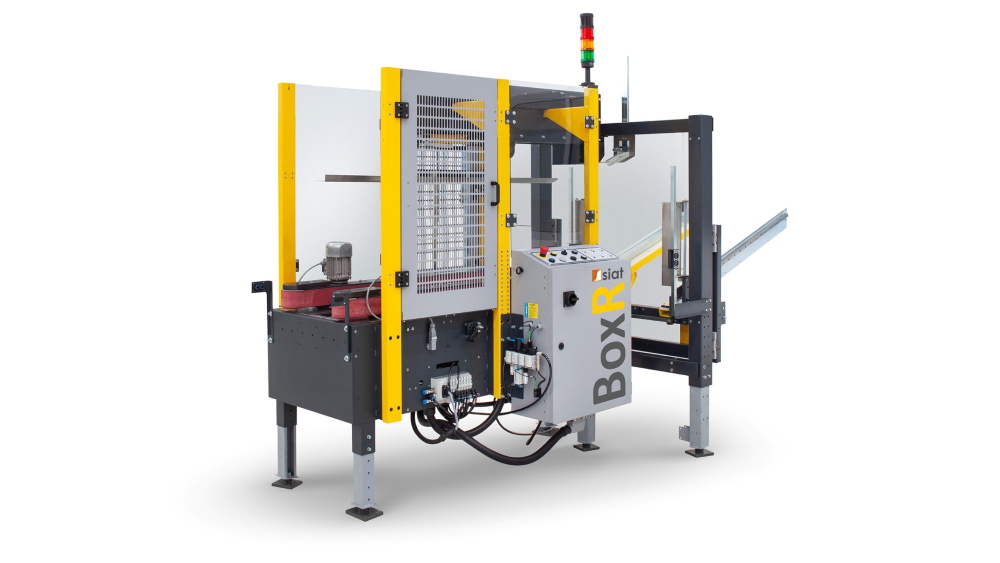
- Carton erectors – Carton erectors can take flat carton blanks and fold, form and seal them into ready-to-fill boxes, saving valuable time and labour. The SIAT BoxR Automatic Carton Erector automates the carton forming and sealing process, at speeds of up to 600 per hour, ensuring perfectly squared cases.
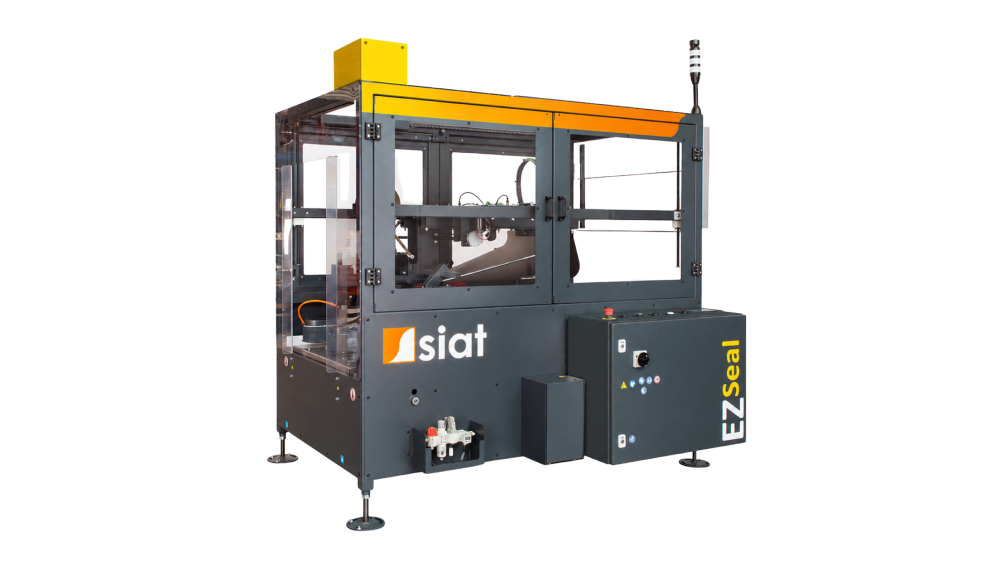
- Carton sealers – Often working in tandem with carton erectors and are responsible for receiving a packed box and applying tape, glue or adhesive to seal it. This helps to streamline the end-of-line packaging process by carrying out sealing consistently and efficiently. Choose carton sealers such as the SIAT EZ-Seal Fully Automatic Case Sealer, capable of high-speed operation with productivity up to 35 boxes per minute.
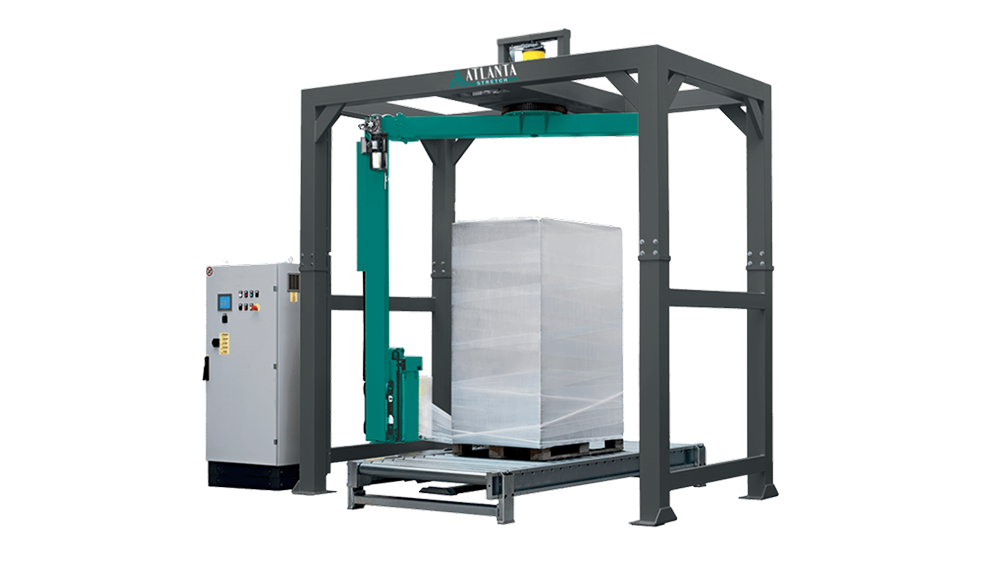
- Pallet wrappers – They can wrap pallets without any manual involvement, automatically wrapping and cutting the stretch film to ensure precise performance and reduce the risk of any product damage in transit. High-performance machines such as the Atlanta Stretch “REVOLUTION” Automatic Pallet Wrapper are built with a heavy-duty steel frame and rotating arm wrapping technology to keep pallets secure.
- Strapping machines – These machines are used to apply plastic or metal straps securely around products to add stability. This helps to prevent items from breaking apart or shifting during transport or storage.
Step 6: Implementation and installation
This step involves the physical installation of your selected automation equipment and conducting thorough testing to ensure everything is operating smoothly together. Working with an experienced automation expert can ensure the installation is achieved efficiently and all safety requirements and compliance standards are met.
Step 7: Integrate full automation and data integration
Once all individual elements are installed, tested and running smoothly, the next step is to integrate everything together to create a seamless, fully-automated workflow.
Packaging machines can be configured to work in tandem with each other, as well as linking machinery to relevant software systems, such as any warehouse management software (WMS) or ERP. Carrying out a phased approach to full automation is usually advised, as this can allow you to test each connection before progressing to the next component.
Step 8: Train staff and monitor performance
Although automation helps to reduce manual input, it still requires skilled operators and supervisors to keep everything running smoothly. You’ll need to ensure your facility invests in thorough training so your team understands how to operate different equipment and execute their role as effectively as possible. This is also essential from a safety perspective, as a well-informed workforce is less likely to pick up bad habits and suffer workplace accidents.
Facilities must also establish a routine for monitoring any KPIs you set in step 2. This is important for recognising that your automated packaging line is actually delivering the improvements you set out to achieve, and for identifying any areas for improvement.
Benefits of Automated Packaging
Enhanced safety
Automated packaging practically eliminates the need for human intervention to improve overall worker safety. Equipment such as automatic strapping machines and pallet wrappers can reduce the potential for injury in repetitive or physically demanding tasks such as lifting, carrying and sealing.
Better labour allocation
By automating repetitive manual tasks, this can free up parts of your workforce to focus on higher-value activities, such as performing maintenance, quality control or leadership.
Accuracy and reduced error rates
Because automated packaging machines adhere to exact processes that are endlessly repeatable, they can ensure all products are packaged cleanly and effectively. This can significantly reduce the risk of human error from compromising a facility’s reputation.
Productivity
Switching to an automated system can allow you to package faster than manual processes. This is because automated packaging equipment can operate continuously with little to no downtime, allowing it to achieve significantly higher products-per-minute (PPM) rates than a manual worker could sustain over a full shift. Because they also improve accuracy levels, automation can allow businesses to meet higher demands without compromising output quality.
Cost-effectiveness
While the upfront costs of switching to automation can be significant, it can deliver long-term savings for facilities through increased productivity levels, with reduced waste and error-related costs.
How to Choose the Right Automated Packaging Partner
Selecting the right packaging machines manufacturer is an essential step for delivering a successful integration of automated systems. Contract Packaging Systems is Australia’s premier specialist for packaging machinery and can ensure the successful supply and implementation of packaging solutions. Since its establishment in 1982, CPS has been directly responsible for the successful integration of automated systems for over 7,500 customers. They also provide continuous service, designed to ensure businesses always feel supported. With their expertise and experience, we recommend reaching out to the team at CPS when it comes time for your business to implement an automated packaging system.
