
June 2, 2026
Automated Packaging Systems
An automated packaging system can transform how businesses approach their packaging operations. As customer demands increase and efficiency becomes a greater priority, installing automated equipment can enhance your entire process.
The key components of an automated packaging system include equipment such as conveyors, carton erectors and case sealers. This equipment can boost productivity by speeding up packaging and reducing time wasted on manual processes. These systems are also highly accurate and precise, with considerable cost savings and improved safety through automation.
By understanding how automated packaging systems work and the steps to making a successful integration, you can feel prepared to make the right decision for your business.
Benefits of Automated Packaging Systems
- Improved productivity
By switching to an automated system, you can package faster than manual processes. Assuming you allot for planned maintenance, these systems can run with effectively little-to-no downtime, leading to higher productivity with minimal downtime. By increasing the speed of packaging, this can expand output while reducing lead times to better meet customer demands. - Accuracy and repeatability
Automated systems truly excel in precision and accuracy. Unlike humans, machines don’t lose focus or get distracted, meaning they can help to ensure all products are packaged cleanly and effectively. There can still be potential issues from misfeeds, sensor failures, calibration drift, so despite removing human error from the equation, machines are still not perfect. However, consistently executing repetitive tasks quickly and accurately is exactly what Automated Packaging Systems are built to do. - Improved safety
Using more machines and automated technology helps to improve worker safety by reducing the need for manual work. This is especially for automating tasks such as lifting, taping and sealing that may cause major injury. - Cost-savings
While the cost of automation can be significant to install, it can save money in the long-term by cutting labour costs and increasing savings. Furthermore, the improved accuracy means less costly waste and excess packaging materials. - Customer satisfaction
Customers are searching for businesses that can satisfy their needs, with faster shipping periods and high accuracy. With automation helping to reduce packaging errors and improve production, it helps to deliver an improved customer experience. - Make the most of floor space
Choosing the right-sized machines and automation technology can help you better maximise the available floor space. Particularly for processes that would require multiple steps, such as manually wrapping a pallet into a single, compact device like an automatic pallet wrapper.
Signs Your Business is Ready for Automation
To help you recognise the key indicators for automation, your business should consider the following:
- You’re struggling to keep up with demand
As your business grows in demand, this typically means scaling up and adding more staff to keep up with the increased workflow. If you’re struggling to find new employees or match the demand, automation can be a smart way to take on more work. - Mistakes are becoming too frequent
Manual work can be incredibly susceptible to errors, such as an incorrect label or misaligned branding. If these mistakes are becoming too frequent, it can damage your reputation and create unnecessary expenses that precise automation may solve. - Your workforce feels overwhelmed with low morale
Employees who carry out repeated, mundane work may feel overwhelmed or unmotivated. Automation can help free these employees for greater focus on work that needs human judgment. - Significant time spent on simple tasks
If employees are spending considerable time carrying out simple tasks, you may be losing productivity, with time that could be better spent elsewhere. Many of these tasks, such as wrapping pallets and erecting cartons, can be automated to boost productivity. - Rising operational costs
Manual work can be costly, with overtime pay, packaging waste, and accidental mistakes, all driving up operational expenditure. Automating parts of your production can be a smart way to achieve additional savings.
Key Factors to Evaluate Before Going Fully Automated
Prior to integrating an automated packaging system, it’s helpful to be across some of the key factors to ensure a smooth transition. These include:
- Cost
It will be important to assess the total cost of automation and whether this fits within your business budget. This should include not just the initial investment, but also any ongoing costs for maintenance, repairs and energy use. You should also compare this with the long-term financial benefits of boosted efficiency and productivity. The total cost of going fully automated will vary significantly depending on the size of your business and the amount of equipment required. For an accurate estimate, please reach out to the experts at Contract Packaging Systems for a quote. - Space requirements
Depending on the amount of floor space you have, you may be limited to what kinds of equipment and packaging technology you can install. We recommend analysing your available space carefully and only choosing equipment that is feasible for your business. An automated packaging system should aim to make the most of the floor space and not add any unnecessary disruptions to the workflow. - Integration
Your new automatic system should not only fit within the floor space available, but it should also integrate with the equipment and technology you already have. This includes any existing production lines, as well as any Warehouse Management System (WMS). By ensuring your new automation system is properly integrated with your existing infrastructure, you can maintain a continuous workflow with minimal interruptions during the automation process. - Maintenance
Often overlooked is the maintenance requirements, as automatic equipment will need regular servicing to ensure it continues running effectively. Ensure you understand the maintenance requirements for your chosen equipment, including how often to perform routine inspections, the specific components to check and any ongoing costs. Also implement a spare parts strategy for key components to minimise any potential unforeseen downtime issues. Different equipment will have different maintenance requirements, so it’s important to check with the manufacturer or the team at Contract Packaging Systems for support. - Production goals
You must consider your specific goals for production, which will help inform the types of equipment you choose. For example, you should consider how fast you want to pack products. If you want to maximise a speedy operation, choose conveyor systems with automatic case sealers for processing orders quickly. These goals will guide your approach to implementing an automatic packaging system, and you should contact the team at Contract Packaging Systems to ensure all your needs are met.
Key Components of Automated Packaging Systems
An automated packaging system consists of multiple components working together. These include the following:
- Conveyors
They are mechanical handling devices, designed to automatically transport goods and products from one area to another. A conveyor system consists of frames, belts, rollers, chains and wheels working together to maintain a consistent flow of goods and reduce the need for manual handling. Like other components of an automated packaging system, a conveyor can be customised to suit different applications and item sizes, while maximising overall efficiency. - Auto baggers
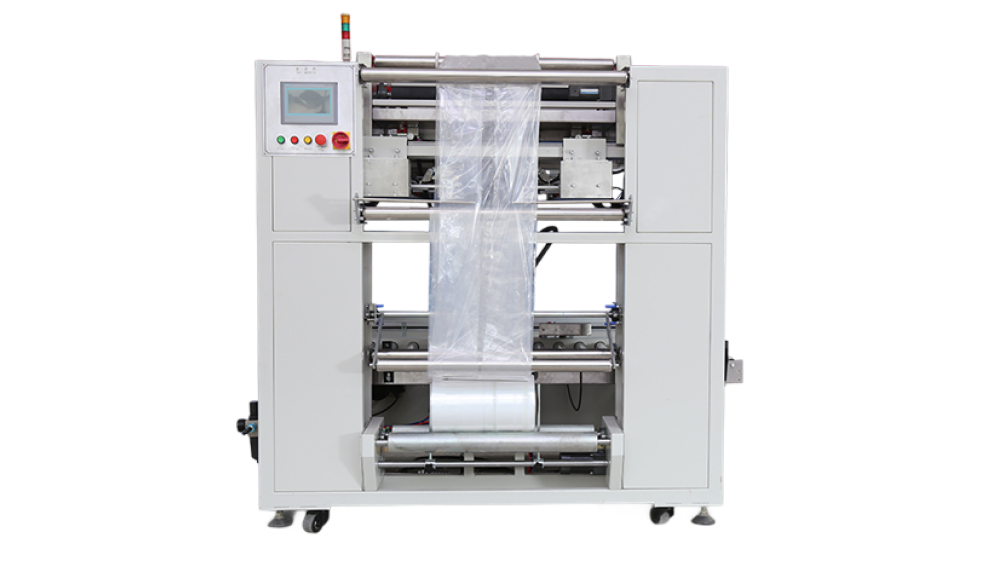
Automatic baggers are designed to fill, seal and print labels on bags. This can significantly speed up the entire packaging process by automatically filling and sealing a product within a bag. It can boost packaging speed by automating a repetitive task, and is commonly used within the e-commerce space for efficient packing and shipping. - Carton erectors
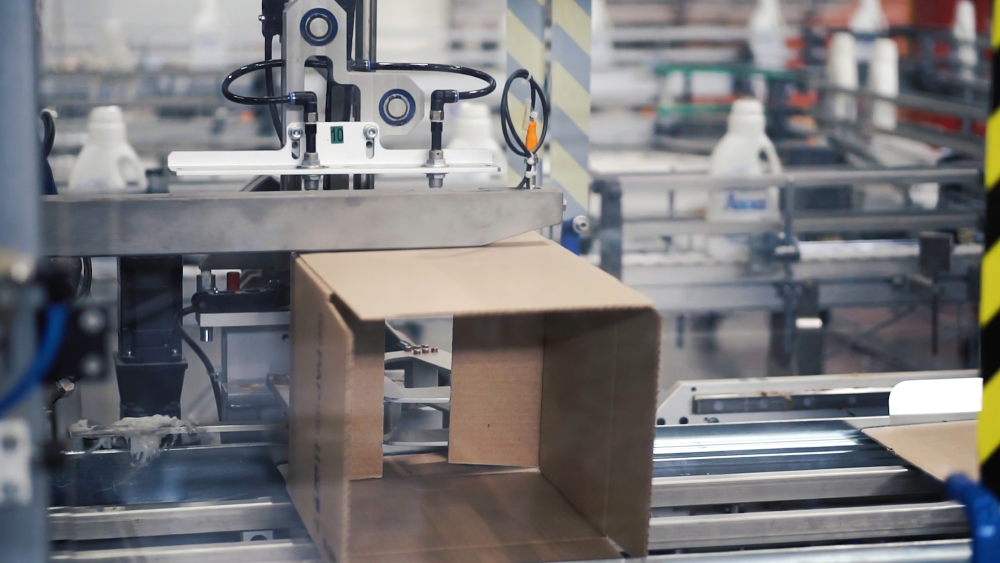
Carton erectors, also commonly known as case erectors, are an important piece of automated equipment. They take flat carton blanks and fold, form and seal them into ready-to-fill boxes. This automation helps to save valuable time and labour, and to significantly boost production efficiency by automating a time-consuming task like forming cartons. - Carton sealers
Often working in tandem with a carton erector, a case sealer is responsible for receiving a packed box and applying tape, glue or adhesive to seal it. Case sealing systems can help streamline the end-of-line packaging process by carrying out sealing consistently and efficiently, without any human intervention. - Automatic strapping machines
These packaging machines are used to securely apply plastic or metal straps around products or packages for stability during transport. This strapping helps to prevent items from breaking apart or shifting during storage or shipping. Fully-automatic strapping machines can be seamlessly integrated into a vast array of production lines with very minimal manual input, using sensors to detect loads and automatically apply strapping. - Automatic pallet wrappers
A fully automatic pallet wrapping machine is an essential component for any high-volume warehouses and packaging systems. They can wrap pallets without any operator involvement, automatically wrapping and cutting the stretch film to ensure precise performance and reduce the risk of any product damage through transit.
If you’re thinking about purchasing any of these components, reach out to Contract Packaging Systems for more information.
How to Integrate Automated Packaging Systems
Once you’ve assessed the appropriate equipment and you’ve made the decision to implement an automated packaging system, it’s important to understand the steps for integration. These include the following:
- Step 1: Choose the best equipment
As we’ve just detailed in our previous section, there is a huge variety of automation equipment to choose from. Make sure you select the equipment that suits your current infrastructure, while also meeting your production goals. If you need further support in choosing the right equipment, contact the team at Contract Packaging Systems for assistance. - Step 2: Assess and map your layout
Map your current floor layout to assess your available space and workflow, to help identify the locations where automatic equipment will be most suitable, without disrupting the existing infrastructure. This step should be carried out carefully, as you should consider factors such as the flow of products, safety zones and how staff will move and interact with the space. - Step 3: Install systems and ensure synchronisation with existing infrastructure
Once you’ve chosen your equipment and mapped your layout, the automated equipment can be installed. During the installation phase, all components must be synchronised and work efficiently together. Collaborating with an experienced packaging machine specialist can ensure all equipment is properly installed and aligned together, with machines secured to their foundations, and everything properly tested. - Step 4: Implement data integration
Modern systems will likely need to be connected to WMS software that monitors and assesses your business’s data. This integration is important to get right because it can allow you to monitor productivity, identify any issues and track the overall performance of any new equipment. - Step 5: Allow time for training staff
An essential part of integrating a new system is properly training your staff on how to use and care for your equipment. These systems can be a significant adjustment, particularly for staff without any prior experience. We recommend setting aside time for carrying out proper training and giving staff the chance to become properly familiar with the equipment to ensure your business gets the most out of it.
Why Choose Contract Packaging Systems
Contract Packaging Systems is Australia’s premier specialist for packaging machinery. We have unrivalled expertise in the market, and we can ensure the successful supply and implementation of packaging solutions that can add value to your business. Since its establishment in 1982, CPS has been directly responsible for the successful integration of automated systems for over 7,500 customers. We also provide continuous service, designed to ensure businesses always feel supported. With their expertise and experience, we recommend reaching out to the team at CPS when it comes time for your business to implement an automated packaging system.
