
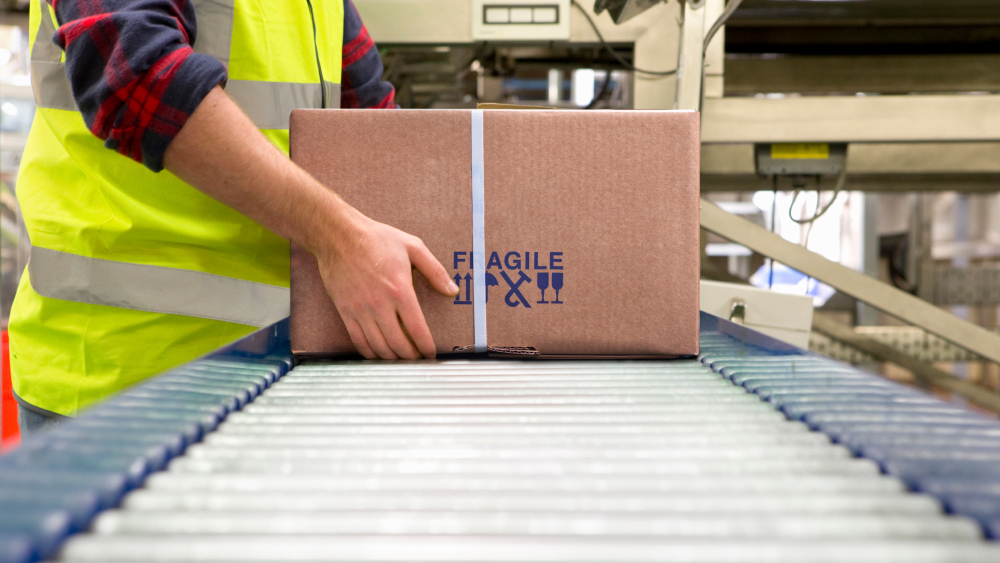
April 27, 2026
End of Line Automation
As businesses face pressure to improve efficiency and reduce costs, end of line automation is a powerful tool in the packaging industry. By integrating advanced technology such as automated pallet wrappers and robotic systems, end of line automation streamlines the final stages of production. This practical solution automates packing, sealing, labelling and palletising, turning manual tasks into a faster and more accurate flow.
What is End of Line Automation?
End of line automation refers to the automated systems and technologies used in the final 30% of the production line. It includes all the equipment and controls that are needed in the steps where the products are prepared for transportation and shipping. This is when the products are picked, packed, labelled and inspected by automated or robotic systems, rather than relying on manual labour. With end of line automation, machines or intelligent systems replace or enhance the manual processes involved with these repetitive tasks.
How End of Line Automation Works
The process typically begins when products move along the conveyor system towards the end of line station. Sensors detect the presence, size and orientation of each item which allows the system to customise to each item. The stages of end of line automation are:
- Product arrives: The products are transported from the main production or manufacturing area via conveyor systems to the end of line area. A range of automated technologies transport the items to ensure a smooth and efficient workflow. One of the most common types of equipment at this stage is the conveyor system. These can include conveyor belts, rollers or modular conveyors depending on the type of product being handled. This stage ensures the smooth and continuous flow of items into the automation process ready for final handling.
- Inspection: Products are inspected using vision systems and sensors to make sure there are no defects, damaged packaging and that they meet required standards. These are automated inspection technologies that use cameras, lighting and software to examine products as they move through the production line. These provide fast, consistent quality control without the need for human intervention. After capturing the image, they analyse them and automatically identify any defects.
- Packaging: Once approved, products are automatically placed into packaging. This is the secondary packaging system where the original packaged items are placed into boxes, cartons or trays either by machines or robotics. They are labelled and marked on the outside of the boxes or containers. This highly coordinated process is where the machines work together to pack the products quickly and accurately. It removes the need for manual handling in production lines. Items are guided and positioned using conveyors to ensure correct spacing. They are grouped into specific quantities using collation systems and timing mechanisms. Then carton erector machines form and prepare cartons by folding and sealing them to ensure consistency in packaging. The products are loaded into these packages using robotic case packers.
- Palletising: The packages are then transported to the palletising area. The packed goods are stacked onto pallets using robotic arms or automatic palletisers. This industrial machine is designed to automatically stack and organise the products onto pallets for storage and transportation. Using a robotic arm the automated palletiser grapes and lifts the products from the conveyor belt, ensuring a secure grip to prevent any damage. It then stacks items on the pallet wrapping machine.
- Pallet wrapping: Once the pallet is stacked it is transferred to the stretch wrapping station. Pallet wrapping is an essential part of the end of line process which secures the goods for storage and transportation. Automatic pallet wrappers attach the stretch wrap to the pallet, wrap it and then cut the film off without any manual intervention. There are also semi-automatic pallet wrappers that require manual loading, programming and have a push button start.
Integration with Warehouse Automation
Integrating warehouse automation with end of line systems transforms the final stages of production from slow manual tasks to high speed, continuous workflow. Warehouse automation refers to the implementation of technology, machinery and software systems to automate the picking, packaging, storage, retrieval and movement of goods. The picking process can be automated in the warehouse as robots move goods from one section to another. After these goods have been picked, they move to the end of line process where robotic automation does an inspection, and then packages, palletises and stretch wraps. The goal of integrating warehouse automation into the end of line systems is to replace repetitive tasks with automated systems, eliminating labour intensive and time consuming duties.
Key Components of End of Line Automation
- Robotic systems: In the final stage of the production process, robotic systems are used to automate a wide range of tasks such as handling, sorting products and arranging products, and packaging. These robotic systems are usually single purpose machines that may be designed to move entire racks around a warehouse or have arms that precisely place packages on a conveyor belt.
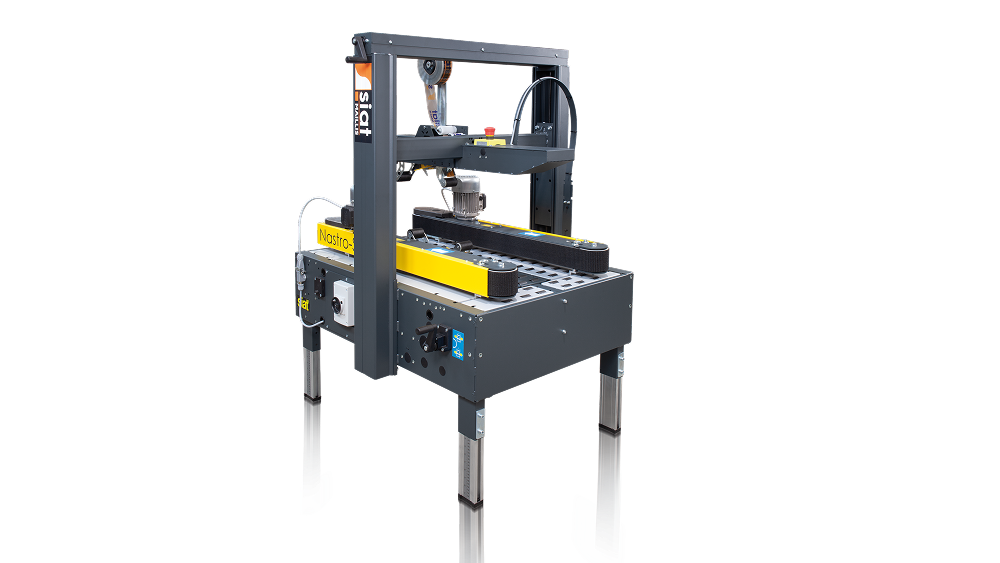
- Carton erectors: Carton erectors, also known as case erecting machines, are a piece of automated equipment that is used to form flat packed cardboard boxes into a three dimensional shape. They are an essential part of end of line automation, helping to reduce manual labour and errors, and speeding up the production process. Carton erectors fold, form and seal the bottom flaps of the box to create a strong, durable structure that can easily be loaded and stacked on pallets for shipping. There are fully automatic carton erectors that automates the carton forming and sealing process using tape or hot metal adhesive. These are capable of erecting up to 20 cartons per minute. Alternatively, the semi-automatic carton erector folds the bottom flaps of manually placed boxes and keeps them in a vertical position for effective filling. These reduce packing time by 50%.
- Case packers: These sophisticated pieces of machinery bridge the gap between primary product packaging and distribution ready cases. Case packers are machines that carefully place products into boxes in organised patterns and ensure optimal use of space. They are designed to handle various types of products such as bottles, cans, bags, cartons and pouches. The automated system provides proper alignment, packing integrity and safety.
- Bag inserters: Bag inserters allow the bag in box process to be fully automated. These automated bagging machines place bags into boxes and cuff them over the box’s lid before being filled with product. These are ideal for industries such as food, chemical and oils to line the inside of the box and protect from spillage.
- Carton sealers: This piece of equipment known as a carton sealer ensures that each package is correctly sealed. An automatic sealer delivers consistent and secure closure using either tape of hot melt glue, depending on the operational requirements. Whether using an automatic carton sealer or semi-automatic, these machines are designed for speed, reliability and low maintenance.
- Labelling equipment: Automatic labellers position labels on boxes or cartons for identification. This labelling equipment will contain shipping information, regulatory details, barcodes and branding elements.
- Palletisers: Robotic palletisers arrange and stack items on a pallet ready for stretch wrapping. These automated pieces of machinery are programmed to pick items and place them according to specific patterns, optimised for size, space and load stability.
- Pallet wrappers: In end of line automation, pallet wrappers can be automatic or semi-automatic. These machines are also known as stretch wrappers as they secure palletised loads with protective film. An automatic pallet wrapper requires no human intervention, while semi automatic combines some manual work prior to the automated stretch wrapping.
- Conveyor systems: End of line automation includes a network of interconnected conveyor systems to transport goods within the facility. These are fast and efficient mechanical handling apparatus that are useful for moving bulky or heavy items. A conveyor system may use a belt, wheels, rollers or a chain to transport products.
The Importance of End of Line Automation
- Increased productivity: Automation increases productivity by operating continuously without stopping for a break, unlike manual labour. They can run for much longer periods of time. These systems eliminate bottlenecks, maintain consistent production, and are able to handle high volumes.
- Reduced operational costs: Although there is an initial investment, end of line automation saves businesses thousands of dollars in operational costs. When using robots or automation processes it reduces labour costs, minimises material waste, optimises packaging materials and prevents shipping damages.
- Improved safety: Work-related injuries are prevented when automated machines replace manual labour. End of line automation does the heavy lifting and deals with repetitive minions that could otherwise harm workers.
- Sustainability: Automation significantly reduces material waste which provides more efficient use of resources and lower environmental impact.
Industries that use End of Line Automation
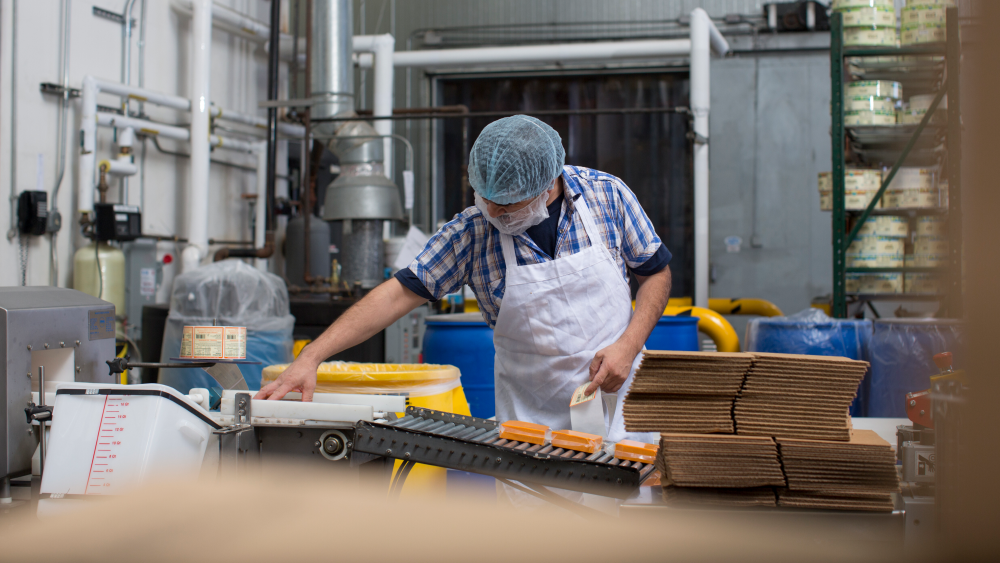
Many industries need to use end of line automation. It has transformed the way companies work their end of line and benefits a multitude of sectors where precision, speed and hygiene are imperative. Industries that use this technology include:
- Food and beverage: The food and beverage industry uses automation in packaging and palletising to ensure the process is hygienic. This industry is subjected to health standards and often has to cope with high demand periods which require the fast operation of robotics or automated machines.
- Pharmaceuticals and healthcare: Automation can help make sure medicines and vaccines are packed consistently, clearly labelled and ready for the next stage of distribution. In healthcare, those details matter because products may have specific requirements around handling, storage and transport. For temperature-sensitive medicines and vaccines, packaging is also part of the wider cold chain. Once products leave the packaging line, they may need to move through refrigerated storage and transport before reaching a healthcare provider or patient. Clear labelling and consistent handling make it easier for those storage requirements to be followed throughout the supply chain.
- Electronics: Electronics are delicate and require careful handling. End of line automation can pack and handle these devices carefully but quickly.
- Building and industrial: Heavy materials used in the building and industrial sector require end of line automation for sorting, packing and palletising. Using labourers for this level of weight and volume would not be practical.
End of line automation encompasses all the robotics and machinery that make a production process more efficient. The last stages of production require a great deal of repetitive and often heavy work. Using automation in place of manual labour saves businesses time and money. Workers are less likely to suffer from workplace injuries and products are prepared for transportation and shipping safely and quickly. Contract Packaging Systems has a wide range of automated end of line solutions to choose from.
